
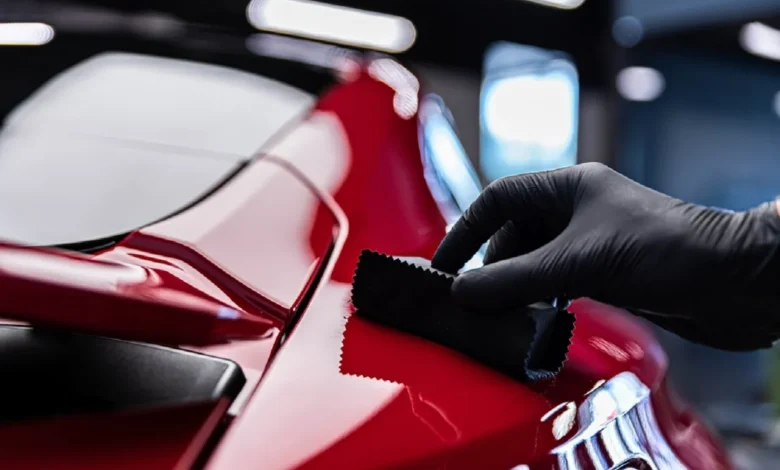
Have you thought about applying a ceramic coating to your car? It has become a popular trend among enthusiasts and detailers, with bold claims of preserving paint jobs, offering a better alternative to waxing or polishing, and enhancing your car’s aesthetics. But do these benefits truly hold true? Let’s break down the basics and explore the advantages and disadvantages of this protection method.
What Are the Advantages and Disadvantages of Ceramic Coating Cars?
The Basics of Ceramic Coating
A ceramic coating is an industry-grade chemical polymer solution that is carefully applied to the exterior of a vehicle. It creates an additional layer that protects the paint from external damage while maintaining the factory finish. The process relies on blending intrinsic properties of materials like silicon dioxide (SiO2) and titanium dioxide (TiO2) to form a hydrophobic layer. This coating bonds with the paintwork, ensuring that the surface remains untouched by dirt, grime, and other contaminants.
Advantages of Ceramic Coating
- Long-Lasting Defense: Unlike traditional methods like waxing, the ceramic coating provides durable protection. Some high-quality brands, such as Modesta, Nanolex, and CQuartz Pro, offer coatings that can last for months or even years, giving your car a showroom-ready look.
- Hydrophobic Properties: The coating creates a water-repellent surface, causing water to bead and slide off effortlessly. This reduces the accumulation of dirt, stains, and grime, making the cleaning process a relief rather than a headache.
- UV and Oxidation Protection: Ceramic coatings shield your car from UV rays, preventing oxidizing and fading that occur when parking outside in summer. The layer also offers resistance against chemical stains and acidic contaminants, preserving the car’s paint job.
- Enhanced Aesthetics: A ceramic coating’s candy-like gloss adds depth and shine to the car’s surface. Many car enthusiasts claim it enhances their car’s reflective finish, giving it an almost museum-like piece quality.
- Scratch Resistance: While not completely scratch-proof, ceramic coatings help minimize scratches, swirl marks, and chips caused by day-to-day driving conditions.
Disadvantages of Ceramic Coating
- Price Tag and Value: Ceramic coating comes with a significant price tag. Professional application can cost anywhere from hundreds to thousands of dollars, leading to questions about whether it’s truly worth it.
- Time-Consuming Process: Applying a ceramic coating is a meticulous process. It requires proper preparation, including washing, clay bar treatment, polishing, and removal of imperfections. The application needs careful attention, and curing times can vary based on temperature, humidity, and ventilation.
- Not Invincible: Ceramic coatings can wear off over time, especially under normal atmospheric conditions like rain or abrasives. It won’t fully protect against major scratches, stone chips, or bird droppings, which can still cause stains if left untreated.
- DIY Risks: While some car owners attempt to apply ceramic coatings themselves, the process can be daunting without the right tools, space, and knowledge. Improper application can lead to uneven layers, ruining the finish.
- Maintenance Still Required: Though ceramic coatings reduce the need for regular maintenance, they’re not entirely maintenance-free. Boost sprays and pH-neutral soaps are recommended to keep the layer intact and prevent spotting from natural minerals and soluble particles.
How do I Know if My Car Has Ceramic Coating?
To determine if your car has a ceramic coating, you can follow these steps:
- Water Beading Test: A simple test is to spray water on the car’s surface. If the car has a ceramic coating, the water will bead up and roll off the surface. The beads should appear very tight and rounded. Without a coating, water may form sheets or slowly drip down the surface.
- Visual Inspection: Ceramic coatings give the car’s surface a glossy, shiny finish, and often appear slick to the touch. If the surface feels unusually smooth or slippery, this might indicate a ceramic coating.
- Check the Paint Condition: Ceramic coatings help protect the paint from contaminants like dirt, bird droppings, and tree sap. If your car’s paint looks pristine despite exposure to the elements, it could have a coating.
- Scratch Test: Gently try scratching the surface with a soft cloth or a finger. If the surface feels hard and resistant to scratches, it could be coated.
- Ask the Detailer or Seller: If you had your car coated recently, ask the detailer about the type of coating they applied. If you bought the car from a dealer, ask if the vehicle came with a ceramic coating or check the paperwork or service records from when your car was detailed or coated. If a professional applied the ceramic coating, there should be a receipt or documentation stating the type of coating used
What is The Cost of Ceramic Coating?
The cost of ceramic coating for a car typically ranges from $1,000 to $3,000 when professionally applied, depending on factors like the coating type, car size, and paint condition. For high-end services, the price can go up to $5,000 or more. If you choose to apply the coating yourself, the cost can be significantly lower, usually for the materials only.
How Long Does a Ceramic Coating Last?
A ceramic coating can last anywhere from 2 to 5 years, depending on the quality of the product, the conditions it’s exposed to, and how well the car is maintained. High-quality coatings may last longer, especially if the vehicle is properly cared for and regularly cleaned.
Why Ceramic Coatings Have Gained Popularity
Car enthusiasts and fanatics praise ceramic coatings for their ability to make a car look brand-new while reducing routine maintenance. Many reviews highlight the resilience of the coating against UV rays, acidic contaminants, and oxidizing elements. Popular brands like IGL Kenzo and CQuartz Pro provide premium packages that combine durability, shine, and value. However, myths about its superpowers have led to some incorrect information circulating the web.
Is Ceramic Coating a No-Brainer?
For those seeking a low-maintenance, long-term solution, ceramic coating offers substantial benefits. Its intrinsic properties protect the car while enhancing its aesthetic appeal. However, applying this chemical solution is a task best left to experts, especially for achieving a high-quality finish. Whether for a sports car or a daily driver, this advanced car-care product continues to be a top choice in the automotive world.
Final Thoughts
Ceramic coatings offer significant advantages in terms of long-lasting protection, enhanced aesthetics, and easier maintenance. They provide a durable defense against UV rays, contaminants, and minor scratches, making your car look as good as new for longer. However, the cost, time investment, and need for expert application can make it a less appealing option for some. While it’s not a one-size-fits-all solution, if you’re looking for a reliable way to protect your car’s paint and reduce maintenance efforts, ceramic coating may be worth considering. Just ensure you weigh the pros and cons carefully before making the investment.
We hope you found this article helpful. If you did, check out our blog for more great content like this.