

Regular oil changes are one of the most fundamental maintenance tasks for any car. This fluid is responsible for lubricating, cooling, and providing general protection for the engine. Neglecting to change it can lead to accelerated wear of moving parts, increased fuel consumption, or even permanent engine damage. A properly selected oil and regular checks translate not only to performance but also to the longevity of the vehicle. However, many drivers wonder if an additional oil change is necessary before winter. The answer isn’t straightforward and depends on several factors, including driving style and intensity.
Oil Changes and Driving Intensity
From the perspective of car manufacturers, oil should be changed after a specific number of kilometers or once a year—whichever comes first. The season itself is not a decisive factor, although low temperatures can expose the weaknesses of neglected lubrication systems. Therefore, changing the oil before winter is not mandatory, but in many cases, it proves to be a good idea.
If a car is used intensively—for example, it travels long distances on highways, frequently idles in city traffic, or carries heavy loads—the oil loses its properties more quickly. Contaminants from fuel, carbon deposits, and moisture mean that the oil film doesn’t protect the engine as effectively as it should. In such situations, changing the oil just before the cold weather arrives gives the driver greater confidence that the engine will have optimal conditions to operate even in harsh winter conditions. Fresh oil handles cold starts better, which in turn reduces the strain on the battery and starter.
For those who drive sporadically and gently, an oil change right before winter isn’t essential. However, even in this scenario, it’s worth remembering that fresh oil always provides additional protection. This is particularly important when a car spends most of the winter on short trips, where the engine doesn’t have time to reach its full operating temperature.
Checking the Oil Level is Key
In addition to regular oil changes—typically every 10,000 kilometers or once a year—it is crucial to monitor its level regularly. This check should be performed especially before a long journey, such as a summer trip abroad or a winter getaway to the mountains. It’s also wise to check the oil level if you notice any concerning symptoms, such as excessive smoke, increased fuel consumption, or a drop in power.
You might also like: 10 Critical Warning Signs Your Car Needs an Oil Change
Why is this so important? Even the best oil won’t do its job if there’s not enough of it. An insufficient amount of lubricant means that not all engine components are protected, leading to their premature wear. An excess of oil is also not advisable—it can cause foaming and problems with lubrication pressure.
How to Check Your Engine Oil Level – Step by Step
- Park on a level surface – The car should be flat for the measurement to be accurate.
- Turn off the engine and wait a few minutes – The oil needs to drain back into the oil pan.
- Open the hood and find the dipstick – It usually has a distinctively colored handle (yellow or orange).
- Pull out the dipstick and wipe it with a cloth – The first reading is always inaccurate.
- Reinsert the dipstick fully and pull it out again – Now, check where the oil level is in relation to the “MIN” and “MAX” markings.
- Top up or change if necessary – If the level is near the minimum mark, add the appropriate oil. If the oil is dirty or thick, consider a change.
What Else Is Worth Remembering?
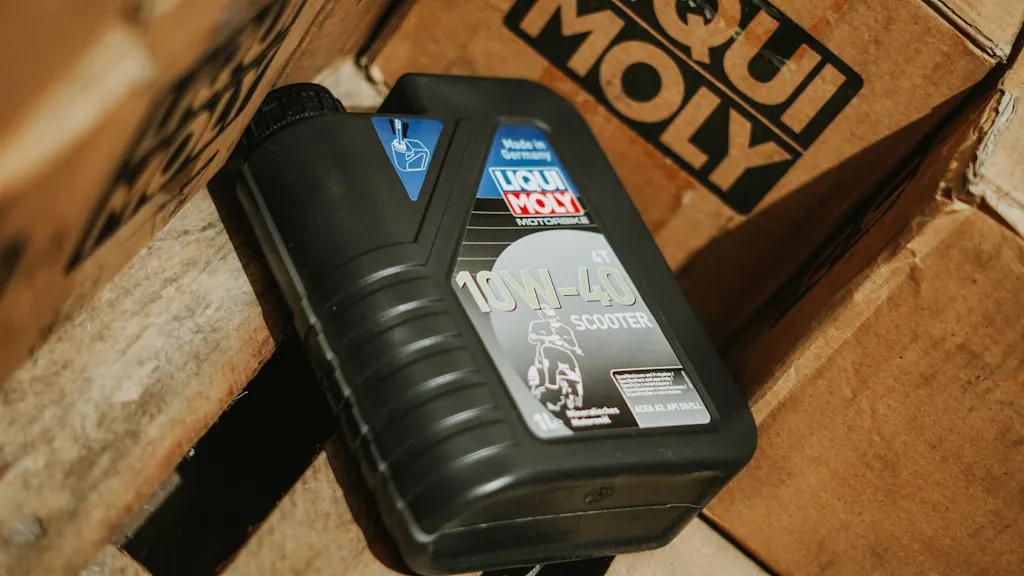
Choosing the right oil and checking its condition are not the only important things. The source of the product also matters. In the industry, engine oil wholesale distribution plays a significant role – it ensures that workshops, fleets, and automotive stores can rely on original products with a manufacturer’s guarantee. This is also important from the perspective of an individual driver: buying oil from a trusted source gives us confidence that it genuinely meets the declared standards and is not a counterfeit.
When preparing your car for winter, it’s also worth remembering elements like the oil filter, which should always be replaced with the oil, and periodically checking the condition of the engine seals. Minor leaks are often the cause of excessive oil loss and unforeseen breakdowns.